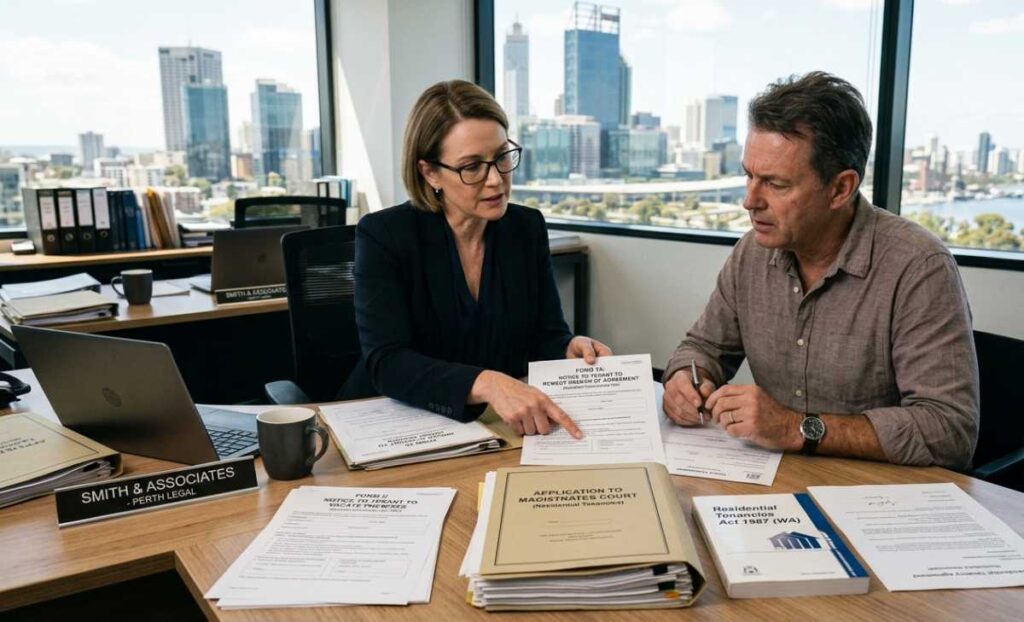
Buying a home is one of the most exciting milestones you will ever reach. It is also one of the most complex. If you have never purchased property before, the settlement process can feel overwhelming, filled with legal jargon, strict deadlines, and a mountain of paperwork. But here is the good news: once you know what to expect, it becomes far less intimidating.
This buyer’s guide walks you through the entire property settlement journey in Western Australia, from the moment your offer is accepted right through to the day you collect your keys. Whether you are a first-time buyer eyeing a unit in Perth or looking at a family home in a regional town, this guide is written to help you feel informed and prepared at every stage.
What Is Property Settlement and Why Does It Matter?
Property settlement is the legal process that transfers ownership of a property from the seller to the buyer. It is the final and most critical stage of a property transaction. Until settlement is complete, the property does not officially belong to you, regardless of what you have signed or how much you have paid in deposits.
In Western Australia, settlement is governed by the Transfer of Land Act 1893, which established the Torrens title system used across the state. This system provides a government-backed register of land ownership, giving buyers certainty that the title they receive is legitimate and protected.
Settlement typically takes place between 30 and 90 days after both parties sign the contract of sale. During this window, a series of checks, searches, and financial arrangements are completed to ensure everything is in order before ownership officially changes hands.
Getting this process right is essential. Errors or delays during settlement can cost you money, cause legal headaches, or even put the entire purchase at risk.
How the WA Property Settlement Process Works Step by Step
The settlement process in Western Australia follows a fairly predictable path, though every transaction has its own quirks. Here is a breakdown of each phase so you know what is happening behind the scenes.
Signing the Contract of Sale
Everything begins with the contract of sale, sometimes called the offer and acceptance. This document sets out the terms of the purchase, including the agreed price, settlement date, any special conditions, and what is included in the sale (such as fixtures and fittings).
In WA, the standard residential contract is the REIWA (Real Estate Institute of Western Australia) Joint Form of General Conditions. Once both parties sign, the contract becomes legally binding, subject to any conditions that still need to be met.
Common conditions include finance approval, a satisfactory building and pest inspection, and the buyer being happy with strata records if the property is part of a strata scheme. These conditions usually have specific deadlines, and missing them can have serious consequences.
Appointing a Settlement Agent or Conveyancer
Once the contract is signed, you will need to appoint a licensed settlement agent to handle the legal and administrative side of the transaction. In WA, settlement agents perform the role that solicitors or conveyancers handle in other Australian states.
Your settlement agent will act on your behalf throughout the process. Their responsibilities include conducting property searches, preparing transfer documents, liaising with the seller’s agent, coordinating with your lender, and ensuring everything is ready for the settlement date.
Choosing a reliable settlement agent is one of the most important decisions you will make during the buying process. Look for someone who is licensed, experienced, and communicative. You want an agent who will keep you updated and explain things in plain language rather than burying you in legal terminology.
Property Searches and Title Checks
Your settlement agent will carry out a range of searches to make sure there are no hidden surprises attached to the property. These searches are a vital safeguard for you as the buyer.
A title search confirms who currently owns the property and reveals any encumbrances, caveats, or easements registered against the title. An encumbrance might be a mortgage held by the seller’s bank, while an easement could give a utility company the right to access part of the land.
Other searches may include checking for outstanding council rates, water rates, land tax liabilities, and any planning issues that could affect the property. If the property is in a bushfire-prone area, a bushfire attack level assessment may also be required.
Your agent will review the results of these searches and flag anything that needs attention. In most cases, any issues are resolved before settlement, but occasionally they can lead to renegotiation or even the collapse of a deal.
Securing Your Finance
If you are buying with a home loan, your lender will need to complete their own checks before releasing funds. This includes a formal property valuation, verification of your financial position, and preparation of mortgage documents.
It is worth noting that getting pre-approval before you start house hunting is quite different from receiving final, unconditional approval. Pre-approval gives you a general indication of how much you can borrow, but it is not a guarantee. Your lender may still decline the loan if the property does not meet their valuation expectations or if your financial circumstances change.
Once your lender gives unconditional approval, they will prepare a set of mortgage documents for you to sign. These documents will then be lodged with Landgate (the WA government’s land information authority) as part of the settlement process.
Make sure your broker or lender is working closely with your settlement agent throughout this period. Communication breakdowns between these parties are one of the most common causes of settlement delays.
Pre-Settlement Inspection
A day or two before settlement, you will have the chance to do a final inspection of the property. This is not a building inspection. It is a walkthrough to confirm that the property is in the same condition as when you signed the contract and that any agreed inclusions (such as appliances, curtains, or light fittings) are still there.
Check that there is no damage, that all fixtures and fittings are in working order, and that the property has been left clean and vacant (unless otherwise agreed). If you spot any issues, raise them with your settlement agent immediately, as they may need to negotiate a resolution with the seller before settlement proceeds.
Settlement Day
Settlement day is when ownership officially transfers from the seller to you. In WA, settlement is typically handled electronically through a platform called PEXA (Property Exchange Australia). This system allows all parties, including buyers, sellers, settlement agents, and lenders, to complete the transaction digitally.
On settlement day, several things happen simultaneously. Your lender releases the loan funds, the purchase price is paid to the seller, the transfer of title is registered with Landgate, and any existing mortgages on the property are discharged.
Once the transaction is confirmed, your settlement agent will let you know that settlement has gone through. You can then collect the keys from the real estate agent and move into your new home.
The entire process on settlement day usually takes just a few hours, though delays can occur if there are issues with documentation or if one of the parties is not ready.

Costs You Should Budget for During WA Property Settlement
One of the biggest surprises for first-time buyers is the number of additional costs involved in purchasing property beyond the actual purchase price. Being aware of these costs early helps you budget properly and avoid last-minute stress.
Transfer Duty (Stamp Duty)
Transfer duty, commonly known as stamp duty, is one of the largest costs you will face. It is a state government tax based on the purchase price of the property. In WA, transfer duty is calculated on a sliding scale, meaning the more expensive the property, the higher the percentage you pay.
First-home buyers may be eligible for a full or partial exemption. As of 2026, WA offers a first home owner grant for new builds and concessions on transfer duty for eligible purchases. Check the current thresholds with the Office of State Revenue, as these figures are updated regularly.
Settlement Agent Fees
Your settlement agent will charge a professional fee for their services. This is usually a fixed fee, and it can vary depending on the complexity of the transaction. Get a quote upfront and ask for a breakdown of what is included.
Search Fees
The various property searches conducted during settlement each come with their own fees. These are generally modest individually but can add up. Your settlement agent will usually pass these costs on to you as disbursements.
Lender Fees
If you are taking out a home loan, your lender may charge application fees, valuation fees, and ongoing account fees. Some lenders waive these fees for certain products, so compare your options carefully.
Building and Pest Inspection
While not technically a settlement cost, a building and pest inspection is strongly recommended and is usually a condition of the contract. A thorough inspection can reveal structural issues, termite damage, or other defects that might influence your decision to proceed with the purchase.
Adjustments
At settlement, certain costs are adjusted between the buyer and seller on a pro-rata basis. For example, if the seller has already paid council rates for the full year but settlement occurs halfway through, you will reimburse them for the portion covering the period after settlement. The same applies to water rates and any strata levies.
Common Delays and How to Avoid Them
Settlement delays are more common than most people realise. While a delayed settlement is not the end of the world, it can be stressful and may come with financial penalties. Here are some of the most frequent culprits.
Finance Issues
Late or incomplete finance approvals are the number one cause of settlement delays. To reduce this risk, start the loan process early, provide all requested documents promptly, and stay in regular contact with your broker or lender.
Missing or Incorrect Documentation
Settlement requires a precise set of documents, and even a minor error can cause a hold-up. Your settlement agent will guide you on what is needed, but make sure you respond quickly to any requests for information or signatures.
Issues Revealed in Searches
Sometimes a property search will reveal an unexpected problem, such as an unresolved caveat or an encroachment onto neighbouring land. These issues can take time to resolve, potentially pushing settlement beyond the originally agreed date.
Seller Delays
The seller may also cause delays if they are not ready to vacate the property, have outstanding debts against the title, or are struggling with their own purchase (in the case of a concurrent settlement). While you cannot control the seller’s actions, your settlement agent can apply pressure and, if necessary, issue a default notice.
Tips for a Smooth Property Settlement in Western Australia
With a bit of preparation, you can make the settlement process far less stressful. Here are some practical tips to keep things on track.
Choose your settlement agent early. Do not wait until the last minute to appoint one. The sooner they are involved, the sooner they can begin searches and coordinate with other parties.
Stay organised with your paperwork. Keep copies of all documents, respond to requests promptly, and create a simple checklist so nothing slips through the cracks.
Communicate regularly with your team. Your settlement agent, broker, and real estate agent should all be kept in the loop. A quick check-in once a week can prevent small issues from snowballing.
Know your deadlines. The contract will include key dates for meeting conditions, and missing them can have consequences ranging from losing your deposit to having the contract terminated.
Budget for the unexpected. Set aside a buffer of a few thousand dollars for costs you did not anticipate. It is better to have the money and not need it than the other way around.
If you are based in Armadale WA and looking for experienced legal guidance to assist with your purchase, you might consider speaking with Property lawyers Armadale who can walk you through your options and help protect your interests.
What Happens After Settlement
Once settlement is confirmed, you are officially the owner of the property. But the work does not stop there. Here are a few things to take care of in the days following settlement.
Collect your keys from the real estate agent. They will usually release the keys once they receive confirmation from the settlement agent that everything has gone through.
Set up your utilities. Contact providers for electricity, gas, water, and internet to transfer accounts into your name. Aim to have everything connected by the time you move in.
Update your address. Notify the relevant authorities, including the Australian Electoral Commission, your bank, health insurance provider, and the Department of Transport for your driver’s licence and vehicle registration.
Arrange building insurance. Your lender will require you to have building insurance in place from the date of settlement. Make sure your policy is active and covers the full replacement value of the property.
Review your strata obligations. If the property is part of a strata scheme, familiarise yourself with the by-laws and the schedule of levies. Attending strata meetings is a good way to stay informed about building maintenance and financial planning.
Frequently Asked Questions
How long does property settlement take in Western Australia?
Settlement in WA typically takes between 30 and 90 days from the date both parties sign the contract of sale. The exact timeframe depends on what the buyer and seller agree to in the contract. A 42-day settlement period is common for standard residential transactions, though it can be shorter or longer depending on the circumstances.
Do I need a settlement agent to buy property in WA?
While it is not legally required to use a settlement agent, it is very strongly recommended. The settlement process involves complex legal requirements, strict deadlines, and financial arrangements that are difficult to manage without professional help. A licensed settlement agent ensures that all searches, documents, and registrations are handled correctly and on time.
What is the difference between a settlement agent and a conveyancer?
In Western Australia, the terms are often used interchangeably. Settlement agents in WA are licensed under the Settlement Agents Act 1981 and perform the role that conveyancers or solicitors handle in other states. They manage the legal transfer of property ownership and are specifically trained and regulated for this purpose.
Can settlement be delayed, and what happens if it is?
Yes, settlement can be delayed for a variety of reasons, including finance issues, documentation errors, or problems revealed during property searches. If one party causes a delay, the other party may be entitled to claim penalty interest or, in some cases, terminate the contract. Your settlement agent can advise you on your rights and options if a delay occurs.
What costs should I budget for beyond the purchase price?
In addition to the purchase price, you should budget for transfer duty (stamp duty), settlement agent fees, search and registration fees, building and pest inspection costs, lender fees, and adjustments for council and water rates. First-home buyers should also check whether they are eligible for any government grants or concessions that could reduce these costs.