A couple I know in Canning Vale had been saving for their first home for the better part of five years. They were careful, disciplined, and had done more research on the Perth property market than most real estate agents do in a month. They found a place they loved in Harrisdale, made an offer, got it accepted, and celebrated with a bottle of champagne that same evening. Three weeks later, their finance fell through because the valuation came in lower than the purchase price, and the lender would not bridge the gap. They had not built enough flexibility into their contract terms, the finance clause had already expired because they had not chased the bank hard enough in the first week, and they were legally committed to a purchase they could no longer fund.
They lost their deposit. Just under $30,000. Gone. Not because they were irresponsible or reckless, but because they did not fully understand the settlement process and the specific risks that sit inside it. That is money that took them years to save and seconds to lose, all because a handful of critical steps were either rushed, misunderstood, or skipped entirely.
Property settlements in Perth should be straightforward. In theory, the process is well-established, the steps are clearly defined, and the timelines are regulated. In practice, the number of things that can go wrong between signing a contract and picking up the keys is remarkable. And every single one of the common pitfalls I am about to walk you through is entirely preventable with the right knowledge and the right professional support.
How the Property Settlement Process Works in Western Australia
Before we get into the pitfalls, it helps to understand the basic mechanics of how a settlement works in WA, because knowing the process is the first step towards protecting yourself within it.
In Western Australia, most residential property transactions use the standard REIWA or Joint Form of General Conditions contract. Once the offer is accepted and the contract is signed by both parties, a series of obligations kick in for both the buyer and the seller. These include satisfying any special conditions such as finance approval and building inspections, arranging title searches and certificate checks, preparing transfer documents, organising settlement through the PEXA electronic platform, and coordinating the exchange of funds and keys on settlement day.
The broader legal framework governing property transactions in Australia is rooted in the Torrens title system, which provides a government-backed register of land ownership. The Torrens title article on Wikipedia provides useful background on how this system works and why it provides stronger protections for buyers than older forms of land registration.
The settlement period in Perth is typically 30 to 60 days from the date of the contract, although this can be negotiated. During that window, both parties need to fulfil their obligations under the contract, and if either side fails to do so, the consequences can range from a delayed settlement with penalty interest to a complete collapse of the transaction with forfeiture of the deposit.
The 5 Most Common Property Settlements Pitfalls at a Glance
Here is a quick reference summary of the five pitfalls we will explore in detail throughout this article. Keep this table bookmarked if you are currently going through the buying process.
| # | Pitfall | What Goes Wrong | How to Avoid It |
| 1 | Skipping the building inspection | Hidden structural defects, termites, or non-compliant work discovered after settlement | Always arrange a professional building and pest inspection during the cooling-off or due diligence period |
| 2 | Not reading the contract properly | Unfavourable clauses around sunset dates, penalty interest, deposit forfeiture, or special conditions missed | Engage a qualified conveyancer or property professional to review every clause before you sign |
| 3 | Underestimating settlement costs | Stamp duty, transfer fees, adjustments, and legal costs blow the budget after exchange | Get a detailed settlement cost estimate upfront and include a buffer of 5 to 10 per cent |
| 4 | Ignoring council and planning checks | Unapproved structures, zoning restrictions, or future development plans affecting the property | Request section 40 certificates and check local planning schemes before committing |
| 5 | Missing the finance deadline | Loan approval delayed or denied, triggering default under the contract and risking deposit loss | Apply for finance immediately after signing and maintain constant communication with your lender |
Now let us dig into each of these in detail, because the devil is genuinely in the specifics when it comes to property transactions in Perth.
Pitfall 1: Skipping or Rushing the Building and Pest Inspection
This is the one that makes every experienced conveyancer and property professional wince, because it is so easily avoided and so devastatingly expensive when it goes wrong. A building and pest inspection costs somewhere between $300 and $700 for a standard residential property. The defects it can uncover cost tens of thousands to fix.
I have seen buyers waive inspections because the market was competitive and they did not want to slow down their offer. I have seen others rely on a seller’s pre-sale inspection, which is conducted and paid for by the person who has a financial interest in making the property look as good as possible. And I have seen buyers arrange an inspection but fail to read the report properly, glossing over qualifications and recommendations for further investigation that turned out to be critical.
In Perth, the most common issues uncovered during pre-purchase inspections include cracking caused by reactive clay soils, which are prevalent across large parts of the metropolitan area, termite damage in older properties where barriers have degraded, roof defects and water ingress in properties built during boom periods when construction quality was inconsistent, and non-compliant building work where extensions or renovations were done without council approval.
How Perth’s Soil Conditions Create Hidden Structural Risks
Perth sits on some of the most reactive soil in Australia. The clay-heavy substrates across suburbs in the south-eastern corridor, the hills areas, and parts of the northern suburbs expand when wet and contract when dry, putting enormous cyclical stress on building foundations. The result is cracking that ranges from cosmetic hairline fractures to structural failures that require underpinning at costs that can exceed $50,000.
A qualified building inspector knows what to look for and can distinguish between cosmetic movement and something that indicates a serious structural issue. Skipping the inspection in an area with reactive soils is not just risky. It borders on reckless. The few hundred dollars you save by not getting the inspection done is irrelevant compared to the potential cost of discovering foundation problems after you have already settled.
Pitfall 2: Not Having the Contract Properly Reviewed Before Signing
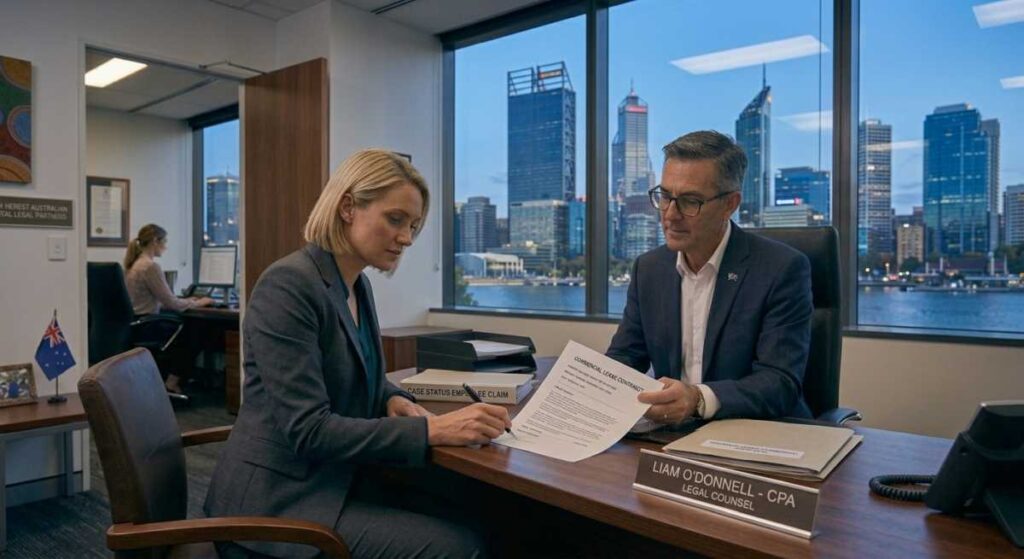
A property contract in Western Australia is a legally binding document the moment both parties have signed it. Not when you settle. Not when you move in. The moment the signatures are on the page. Everything that follows, every right you have and every obligation you carry, is determined by the terms of that contract. And yet a remarkable number of Perth buyers sign without having the document reviewed by someone who understands what every clause means and how it affects their position.
The standard REIWA contract is a well-drafted document that provides reasonable protections for both parties. But the standard form is just the starting point. Special conditions added by the seller or their agent can significantly alter the balance of risk, and these conditions are where buyers most commonly get caught out.
Sunset clauses, for example, can give the seller the right to terminate the contract if settlement has not occurred by a specified date, regardless of the reason for the delay. Penalty interest clauses can impose daily charges if settlement is delayed beyond the agreed date, even if the delay is caused by something outside your control. And deposit forfeiture clauses can mean you lose your entire deposit if you default on the contract, even if the default was caused by a finance issue or a misunderstanding about the terms.
A qualified professional will read every clause, explain what it means in practical terms, flag anything that creates unusual risk, and negotiate amendments where appropriate. This review typically costs a few hundred dollars and takes a day or two. The protection it provides is worth orders of magnitude more.
Pitfall 3: Underestimating the True Cost of Settling
The purchase price is not the number you need to budget for. It is the starting point. On top of the purchase price, there are settlement costs that catch a surprising number of Perth buyers off guard, particularly first-time buyers who have not been through the process before.
The Costs That Add Up Fast
Stamp duty is the biggest additional cost and, for many buyers, the most painful. In Western Australia, stamp duty on a property purchase is calculated on a sliding scale based on the purchase price. On a $600,000 property, for example, the stamp duty is approximately $21,000. First-time buyers may be eligible for a full or partial exemption on properties below certain thresholds, but the thresholds and conditions change, so checking the current rules before you commit is essential.
Beyond stamp duty, the other costs that need to be factored in include:
- Transfer registration fees paid to Landgate for registering the change of ownership
- Settlement agent or conveyancing fees for managing the settlement process
- Title search fees and certificate costs for the various checks conducted during due diligence
- Building and pest inspection costs
- Loan establishment fees, valuation fees, and lenders mortgage insurance if applicable
- Adjustments for council rates, water rates, strata levies, and land tax that are apportioned between buyer and seller at settlement
- Moving costs, utility connections, and any immediate repairs or maintenance
As a rough guide, buyers should budget for settlement costs of between 4 and 6 per cent of the purchase price on top of the purchase price itself. On a $600,000 property, that is an additional $24,000 to $36,000. Running out of money between exchange and settlement is one of the most stressful situations a buyer can find themselves in, and it is entirely avoidable with proper upfront planning.
Pitfall 4: Ignoring Council, Zoning, and Planning Checks
Here is one that does not get nearly enough attention. Before you buy a property in Perth, you need to understand not just what is on the land right now but what the local council and the state planning framework say about what can happen to that land in the future. Ignoring these checks is like buying a car without checking whether it has a clear title. You might get lucky, but the downside risk is enormous.
Section 40 certificates, issued by the relevant local government authority, disclose information about the property including its zoning classification, any building approvals or orders on the property, development applications that have been lodged or approved, and any other matters that the local government is required to disclose. This information can reveal issues that fundamentally affect the value and usability of the property.
Unapproved structures are one of the most common problems uncovered through council checks. A previous owner who built a patio, granny flat, swimming pool, or extension without obtaining the required building permit has left you with a structure that may not comply with the Building Code and that the council could require you to modify or remove at your expense. This is not a theoretical risk. It happens regularly in Perth, and the costs of rectification can be substantial.
Zoning and planning scheme checks are equally important. A property that is currently zoned residential might be situated near land that is zoned for future commercial or industrial development. The quiet street you fell in love with might be earmarked for a major road upgrade. The neighbouring vacant lot might have an approved multi-storey development that will overlook your backyard. None of these things will be mentioned by the selling agent, and none of them will be apparent from a physical inspection of the property. You only find out by checking the planning records.
Strata properties add another layer of complexity. Strata title properties come with a body corporate or strata company that manages the common property and enforces by-laws. Before buying a strata property, you should obtain a strata inspection report that reveals the financial health of the strata company, any outstanding or anticipated special levies, pending or threatened litigation, and the condition of common property. Strata nightmares, where an underfunded strata company hits owners with massive special levies to fund essential repairs, are not uncommon in Perth, particularly in older apartment and villa complexes.
Pitfall 5: Mismanaging the Finance Approval Process
This is the pitfall that causes the most heartbreak in the Perth market, and it is almost always avoidable. A buyer signs a contract with a finance clause that gives them, say, 21 days to obtain formal loan approval. They assume their pre-approval is as good as done. They stop chasing the bank. Day 14 passes with no update. Day 18, they call the broker and discover the bank wants additional documents. Day 20, the documents are submitted. Day 21, the finance clause expires. Day 22, the bank comes back with a request for further information. The buyer is now past the finance deadline and legally committed to a purchase they may not be able to fund.
Pre-approval is not approval. It is an indication that the lender is likely to lend you a certain amount, subject to a valuation of the specific property, a final assessment of your financial position at the time of application, and satisfaction of any conditions attached to the pre-approval. Any of these can cause delays or outright refusal, and in a market where lenders are processing high volumes of applications, delays are common.
The moment you sign a contract, your finance application should be your number one priority. Submit the full application with all supporting documents on day one, not day seven. Follow up with your broker or lender every two to three days. If additional information is requested, provide it within 24 hours. And if it becomes clear that approval will not be obtained within the finance clause period, request an extension from the seller before the deadline expires, not after.
If your finance is declined entirely, the finance clause protects you, but only if you exercise your right to terminate the contract within the timeframe specified. Once that deadline passes without you formally invoking the clause, you lose the protection and are at risk of defaulting on the contract, which can mean losing your deposit and potentially being sued for damages by the seller.

Why Professional Support Is Not a Luxury in Perth Property Transactions
Every one of the five pitfalls described in this article shares a common thread: they are preventable with proper professional support. A qualified conveyancer or property professional who understands the Perth market and the WA settlement process will manage the timeline, review the contract, coordinate the searches and certificates, liaise with the lender, and flag issues before they become problems.
The cost of engaging a professional to manage your settlement is typically between $800 and $1,500 for a standard residential transaction. Compare that to the cost of losing a $30,000 deposit, discovering $50,000 worth of structural defects after settlement, or being hit with a $40,000 special levy because you did not check the strata records. The maths is not even close.
DFG Legal works with buyers and sellers across the Perth metropolitan area on property matters. For anyone navigating the settlement process, having a qualified professional in your corner who understands both the legal framework and the practical realities of the WA market is the single best investment you can make in the transaction.
If you are in Perth and currently looking at buying or selling a property, searching for a professional who handles Buying & Selling Property is a smart first move. Having someone local who understands Perth’s specific conditions, from reactive soils to strata complexities, means you get advice that is tailored to the realities of this market, not generic guidance that misses the local nuances.
What to Do If You Are Already Mid-Settlement and Something Has Gone Wrong
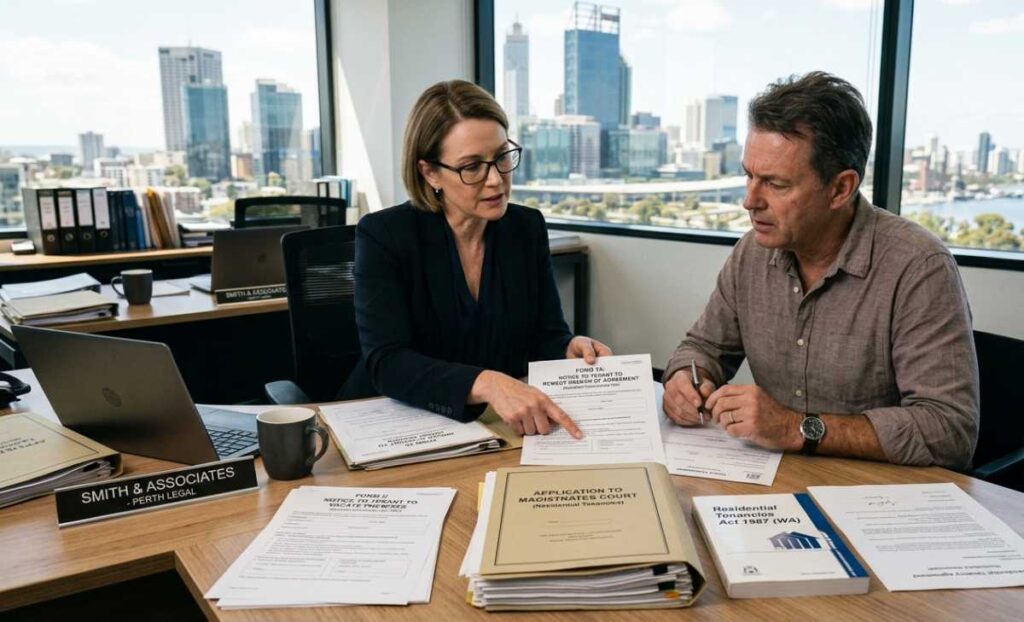
If you are reading this article because something has already gone sideways in your settlement, the most important thing you can do right now is get professional advice before you take any further action. Do not send angry emails to the other party. Do not assume the worst. And do not try to fix the problem yourself without understanding your legal position.
Many settlement issues can be resolved through negotiation if they are handled calmly and professionally. A delayed finance approval can often be accommodated with a short extension that both parties agree to. A defect discovered during inspection can be addressed through a price reduction or a requirement for the seller to rectify the issue before settlement. Even a more serious problem like an unapproved structure can sometimes be resolved through retrospective approval or negotiated adjustment.
The key is to address the issue quickly, communicate clearly through your professional representative, and understand your rights and obligations under the specific terms of your contract. Every contract is different, and the options available to you depend on the precise wording of the clauses that govern your transaction.
Preparing for a Smooth Settlement: A Practical Checklist
Rather than waiting for problems to arise, the best approach is to set yourself up for success from the beginning. Here is what a well-prepared buyer does differently from one who ends up in trouble.
Get your finance sorted as early as possible. Ideally, have a formal pre-approval in place before you start making offers, and understand exactly what conditions are attached to it. The moment you sign a contract, submit the full loan application with every document the lender needs and follow up relentlessly until approval is confirmed in writing.
Engage a settlement professional before you sign the contract, not after. Having someone review the terms before you commit gives you the opportunity to negotiate amendments, add protective conditions, and understand exactly what you are agreeing to. Engaging after the fact limits your options because you are already bound by the terms.
Arrange building and pest inspections as early as the contract allows. Do not wait until the last day of the inspection period. If the inspector identifies issues that need further investigation by a specialist, you need time to arrange that before your rights under the inspection clause expire.
Budget conservatively. Add at least 5 to 10 per cent to the purchase price for settlement costs, and make sure you have those funds accessible well before settlement day. Running short at the last minute creates unnecessary stress and can trigger default provisions in the contract.
Communicate with your professional representative regularly throughout the process. Do not assume that no news is good news. Check in at least weekly, ask for updates on the progress of searches and certificates, and raise any concerns or questions immediately rather than waiting until they become urgent.
The Perth Market Right Now and Why These Pitfalls Are More Relevant Than Ever
Perth’s property market has been through significant shifts in recent years. After a prolonged correction that saw prices fall from their 2014 peak, the market has recovered strongly, driven by interstate migration, a tight rental market, resource sector investment, and limited new housing supply. Competition for properties has intensified, particularly in the middle market segments and in suburbs with good access to transport, schools, and employment centres.
When the market is competitive, buyers feel pressure to move fast. And when buyers move fast, they cut corners. They waive inspections to make their offer more attractive. They shorten finance clauses to beat competing bids. They skip the contract review because they do not want to delay settlement. Every one of these shortcuts increases the risk of falling into one of the five pitfalls described in this article.
The irony is that the more competitive the market becomes, the more important it is to slow down and get things right. When you are committing to a purchase that will define your financial position for decades, the extra few days it takes to get a proper inspection, a thorough contract review, and a confirmed finance approval is not time wasted. It is the best investment you can make.
Final Thoughts: Protect Yourself Before You Commit
Buying property in Perth is one of the most significant financial decisions most people will ever make. The settlement process is not complicated, but it contains enough traps and technicalities that even well-informed buyers can get caught out if they do not approach it with the right level of care and the right professional support.
The five pitfalls covered in this article, skipping inspections, not reviewing the contract, underestimating costs, ignoring council checks, and mismanaging finance, are responsible for the vast majority of settlement problems in the Perth market. Every one of them is preventable. Every one of them costs more to fix after the fact than it would have cost to avoid in the first place. And every one of them becomes more likely when buyers try to handle the process alone.
Get a qualified professional in your corner. Read the contract properly. Budget realistically. Check everything that can be checked. And do not let the excitement of finding the right property override the discipline of protecting yourself legally and financially. Your future self will thank you for the extra care you took at the moment that mattered most.