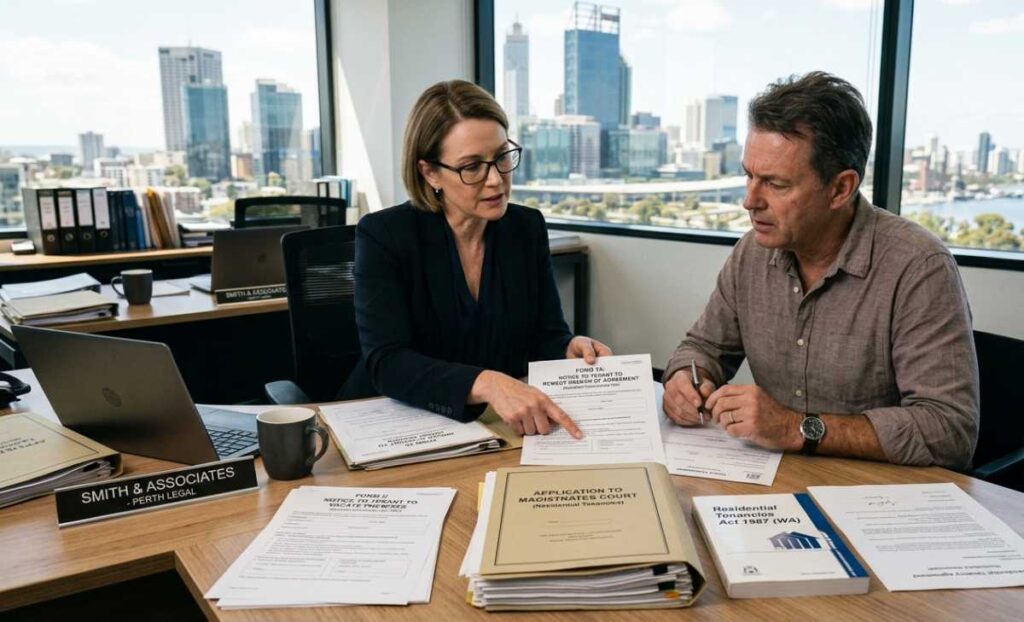
Buying a home is one of the biggest financial commitments most Australians will ever make. It is exciting, nerve-wracking, and full of paperwork that can feel overwhelming. At the centre of that paperwork sits the residential purchase agreement, a legally binding document that sets out the terms and conditions of your property purchase. Once you sign it, you are locked in, so the stakes are high.
Too many buyers rush through this stage. They find a property they love, get swept up in the excitement, and sign on the dotted line without truly examining what they are agreeing to. Weeks later, problems surface. Maybe the settlement terms are tighter than expected. Maybe there is a special condition buried on page seven that nobody mentioned. Maybe the property has an easement that limits future renovations.
This guide walks you through the five most important things to check before you commit. Whether you are a first home buyer or an experienced investor, these checks can save you thousands of dollars, months of stress, and a world of regret. Consider this your practical, no-nonsense checklist for making an informed property purchase in Australia.
1. Review Every Clause in the Contract of Sale
The contract of sale, often referred to as the residential purchase agreement in broader legal terms, is the backbone of your property transaction. It is not a formality. Every clause, every schedule, and every special condition carries legal weight. If something goes wrong after settlement, this document determines who is responsible and what remedies are available.
What to Look for in the Contract Terms
Start by confirming the basics. Check that the property address, lot number, and title reference match the property you inspected. It sounds obvious, but errors do happen, especially when dealing with subdivisions, townhouses, or off-the-plan purchases. A single digit out of place on a lot number can mean you are legally agreeing to buy a completely different property.
Next, look at the purchase price and deposit amount. In most Australian states, the standard deposit is 10 per cent of the purchase price, but this is negotiable. Some sellers accept 5 per cent, and in competitive markets, buyers sometimes offer more to strengthen their position. Make sure the deposit amount is clearly stated and that you know exactly when it needs to be paid.
Pay close attention to the settlement date. This is the date when ownership officially transfers from the seller to you. Settlement periods vary across Australia, typically ranging from 30 to 90 days. If you need a longer settlement to arrange finance or sell your current property, this needs to be negotiated and written into the contract before you sign.
The inclusion and exclusion lists also deserve careful attention. These lists specify what stays with the property and what the seller plans to take. Items like curtains, light fittings, dishwashers, and garden sheds can become contentious if assumptions are made rather than written down. If you inspected the property with a beautiful set of plantation shutters and expected them to stay, make sure they are listed as inclusions. Otherwise, you might walk into an empty house on settlement day with bare windows.
Finally, review any special conditions. These are additional clauses negotiated between buyer and seller. Common examples include a finance clause (giving you time to secure a home loan), a building and pest inspection clause, and a subject-to-sale clause if you need to sell your existing home first. Special conditions protect you, but only if they are properly drafted and clearly worded. Ambiguous language can lead to disputes that are expensive and time-consuming to resolve.
The contract of sale is a concept rooted in centuries of property law, and its significance has only grown as real estate transactions have become more complex. Taking the time to review every clause is not being difficult or overly cautious. It is simply being smart.
2. Confirm the Property Title Is Clean and Clear
The property title tells you who legally owns the property, what type of ownership applies, and whether there are any encumbrances or restrictions attached to the land. Skipping this check is one of the most dangerous mistakes a buyer can make.
Searching for Encumbrances and Title Defects
In Australia, property titles are registered under the Torrens title system, which provides a government-guaranteed register of land ownership. A title search will reveal the current registered owner, any mortgages or caveats on the property, easements, covenants, and any other interests recorded against the title.
An easement, for example, might grant a utility company the right to access part of your land to maintain underground pipes or overhead power lines. While easements are common and often harmless, some can significantly affect what you are allowed to build on the property. If you are buying a block with plans to extend the house or add a granny flat, an easement running through your backyard could derail those plans entirely.
Covenants are another consideration. These are restrictions placed on the land, often by developers, that dictate what you can and cannot do with the property. Common covenants include restrictions on building materials, minimum dwelling sizes, fencing styles, and even the colours you can paint your home. Covenants are legally enforceable, and breaching one can result in legal action from neighbours or the original developer.
Caveats are formal notices lodged on the title to protect a claimed interest in the property. If there is a caveat on the title, it could indicate a dispute over ownership or an unpaid debt secured against the property. Any existing caveats need to be resolved before settlement, and your legal representative should investigate them thoroughly.
Strata title properties, such as units, apartments, and townhouses, come with additional layers of complexity. You will need to review the strata plan, the body corporate records, and the minutes from recent meetings. Look for any upcoming special levies, disputes between lot owners, or major repair works planned for the building. A building that needs a new roof or lift replacement could mean a special levy of tens of thousands of dollars landing in your lap shortly after settlement.

3. Organise a Thorough Building and Pest Inspection
Never buy a property without a professional building and pest inspection. This is non-negotiable, regardless of how new or well-maintained the property appears. Cosmetic renovations can hide serious structural defects, and termite damage is often invisible until it has caused significant destruction.
Why Skipping the Inspection Could Cost You Thousands
A qualified building inspector will assess the structural integrity of the property, including the foundation, walls, roof, plumbing, and electrical systems. They will identify any defects, safety hazards, or areas of concern that might not be visible during a standard open home inspection. The inspector will provide a detailed written report outlining their findings, along with recommendations for further investigation if needed.
Pest inspections are equally important, particularly in regions prone to termite activity. Termites cause more damage to Australian homes than fires, floods, and storms combined. A pest inspector uses specialised equipment, such as thermal imaging cameras and moisture meters, to detect signs of termite activity, even behind walls and under floors. If active termites are found, the cost of treatment and repairs can run into tens of thousands of dollars.
The building and pest inspection should always be completed before you sign the residential purchase agreement, or at the very least, make the contract conditional on a satisfactory inspection. Most standard contracts in Australia include a clause allowing the buyer to arrange inspections within a specified timeframe, typically 7 to 14 days. If the inspection reveals serious problems, you can negotiate a price reduction, request that the seller complete repairs before settlement, or walk away from the deal altogether.
It is worth noting that building and pest inspections are not just about finding deal-breakers. Even minor issues identified in the report can be useful during negotiations. A leaking tap, cracked tiles, or an aging hot water system might not be reason enough to abandon the purchase, but they could justify asking the seller to reduce the price by a few thousand dollars.
Some buyers, particularly those purchasing in competitive markets, consider waiving the inspection clause to make their offer more attractive. This is a high-risk strategy. The short-term advantage of securing the property can be quickly overshadowed by the long-term cost of repairing hidden defects. No property is worth buying blind.
4. Verify Your Finance Approval and Loan Conditions
Having pre-approval for a home loan is a great start, but it is not the same as unconditional approval. Many buyers confuse these two stages and find themselves in serious trouble when their lender does not come through after they have already signed the purchase contract.
The Difference Between Pre-Approval and Formal Approval
Pre-approval, sometimes called conditional approval or approval in principle, is an indication from your lender that you are likely to qualify for a loan up to a certain amount. It is based on an initial assessment of your financial situation, including your income, expenses, assets, and liabilities. However, pre-approval is not a guarantee. It is subject to a number of conditions, including a satisfactory valuation of the property you want to buy.
Formal approval, on the other hand, is the lender’s confirmation that they will provide you with the loan. This usually happens after the lender has completed a full assessment, including a property valuation, verification of your financial documents, and a review of the specific contract of sale. Only once you have formal approval can you be confident that the funds will be available at settlement.
The finance clause in your purchase contract is your safety net. It gives you a specified period, usually 14 to 21 days, to obtain formal finance approval. If your lender declines the loan or the property does not meet their valuation requirements, the finance clause allows you to withdraw from the contract without penalty and have your deposit refunded.
However, the finance clause only protects you if it is properly worded and if you meet the timeframes specified in the contract. If the finance approval deadline passes and you have not obtained approval or requested an extension, you may lose your right to withdraw under this clause. This could leave you legally obligated to complete the purchase, even if you do not have the funds to do so.
Before signing anything, speak with your lender or mortgage broker to confirm the status of your application. Ask specifically whether there are any outstanding conditions that could delay or prevent formal approval. Common conditions include providing additional payslips, bank statements, or explanations for unusual transactions. The earlier you address these requirements, the smoother the process will be.
If you are purchasing in Western Australia and need guidance on reviewing property contracts, particularly if you are in Mandurah WA and looking for experienced property lawyers, the team at Property Attorney Mandurah can help ensure your purchase agreement is properly reviewed before you commit.
5. Check Zoning, Planning, and Future Development in the Area
The property you see today might not be the property you experience in five years. Local council zoning laws, future development plans, and infrastructure projects can all dramatically change the character and value of a neighbourhood. Doing your homework on these factors before signing the purchase contract is essential.
How Zoning Laws and Council Plans Affect Your Property Investment
Every parcel of land in Australia falls within a specific zoning category, determined by the local council or state planning authority. Zoning dictates how the land can be used, whether it is residential, commercial, industrial, rural, or mixed-use. It also determines what types of buildings can be constructed, how high they can be, and how close they can sit to property boundaries.
If you are buying a home on a quiet residential street, check whether the surrounding land is zoned for the same purpose. A vacant block next door that is zoned for medium-density housing could one day become a three-storey apartment complex, blocking your sunlight and increasing traffic in the area. Similarly, land zoned for commercial use nearby could mean a service station, fast-food outlet, or warehouse being built within sight of your living room.
You should also check for any development applications that have been lodged with the local council. These applications are public records and can usually be accessed through the council’s website. Approved or pending applications for major developments near your property could affect noise levels, traffic, parking, and property values.
Infrastructure projects are another factor worth investigating. Major road upgrades, new train lines, airport expansions, and flood mitigation works can all impact your property. Some infrastructure projects increase property values by improving access and amenity, while others, such as a new highway running through a previously quiet suburb, can have the opposite effect.
Flood mapping is particularly relevant in many parts of Australia. Properties located within a flood zone may face higher insurance premiums, restrictions on building works, and difficulty obtaining finance. Your local council should be able to provide flood mapping data for the area, and it is well worth checking before you commit.
Heritage overlays are also something to be aware of. If your property or the surrounding area is covered by a heritage overlay, there may be restrictions on renovations, demolitions, and new constructions. While heritage properties can be beautiful and full of character, the additional regulations can make maintenance and improvement more complicated and expensive.
Planning certificates, known as Section 10.7 certificates in New South Wales or planning property reports in other states, provide a summary of the planning controls that apply to a specific property. These certificates are available from your local council for a small fee and should be reviewed before signing any purchase agreement.
Bonus Tips for a Smooth Property Purchase
Beyond the five major checks above, there are several additional steps that can help protect your interests and make the buying process smoother.
Consider the condition of essential services. Check that the property has reliable connections to water, electricity, gas, and sewerage. For rural properties, confirm the condition of any water tanks, septic systems, or bore water infrastructure.
Investigate the strata or body corporate records if you are buying a unit, apartment, or townhouse. Look for any outstanding disputes, planned works, or financial concerns that could affect you as a new owner.
Research the neighbourhood. Visit the area at different times of day and on different days of the week. A street that seems peaceful on a weekday morning might be noisy on a Friday night. Talk to neighbours if you can. They are often the best source of honest information about living in the area.
Finally, do not rush. It is easy to feel pressured in a competitive market, but taking an extra day or two to complete your due diligence is always worth it. The right property will still be there after you have done your homework. And if it is not, another one will come along.
Frequently Asked Questions
What is a residential purchase agreement in Australia?
A residential purchase agreement, commonly known as a contract of sale, is a legally binding document that outlines the terms and conditions of a property transaction between a buyer and a seller. It includes details such as the purchase price, settlement date, deposit amount, and any special conditions. Once both parties sign the agreement, they are legally obligated to fulfil their respective obligations under the contract.
Can I back out of a purchase agreement after signing?
It depends on the terms of the contract. Most purchase agreements in Australia include a cooling-off period, which varies by state. In New South Wales, the cooling-off period is five business days, while in Victoria it is three business days. During this time, you can withdraw from the contract, although you may forfeit a small percentage of the purchase price, typically 0.25 per cent. However, if you purchased at auction, there is generally no cooling-off period, and the contract is binding immediately.
Do I need a solicitor or conveyancer to review my purchase agreement?
While it is not legally required in all states, it is strongly recommended. A qualified solicitor or licensed conveyancer can identify potential risks, explain your rights and obligations, and ensure that the contract adequately protects your interests. They can also negotiate amendments to the contract on your behalf and manage the settlement process from start to finish.
What happens if the building inspection reveals major defects?
If your contract includes a building and pest inspection clause, you typically have the right to negotiate with the seller or withdraw from the contract if the inspection reveals significant defects. You can request that the seller carry out repairs, reduce the purchase price, or, in some cases, terminate the agreement entirely. The specific options available to you will depend on the wording of the inspection clause in your contract.
How long does settlement usually take in Australia?
Settlement periods in Australia generally range from 30 to 90 days, depending on the state and the terms negotiated between the buyer and seller. In some states, 42 days is the standard settlement period, while in others, 60 or 90 days is more common. The settlement date is specified in the purchase agreement, and both parties are expected to be ready to complete the transaction by that date. Extensions can be arranged by mutual agreement but are not guaranteed.
This guide is intended as general information only and does not constitute legal advice. Always seek professional guidance tailored to your specific circumstances before entering into any property transaction.