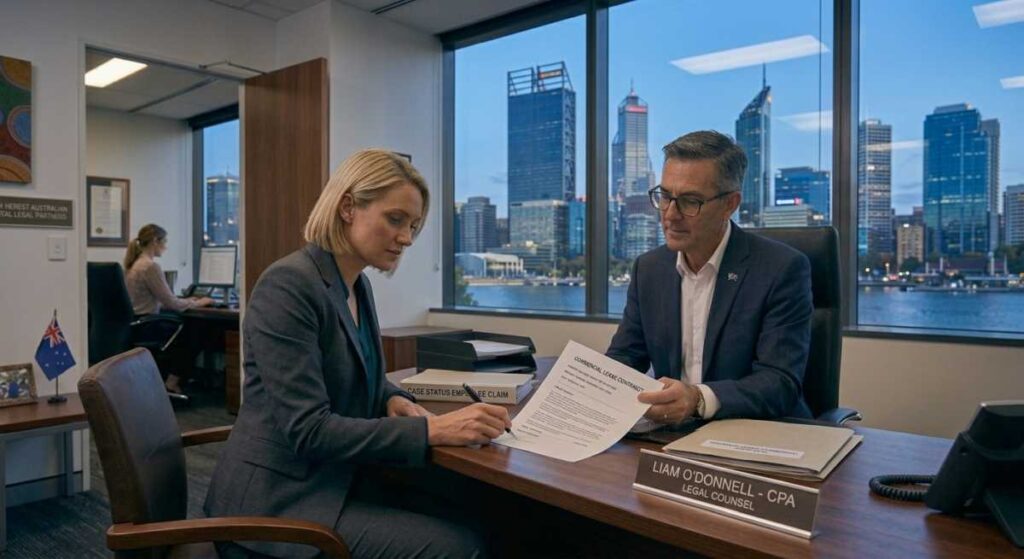
Perth’s property market has been one of the strongest performers in Australia over the past few years. Median house prices across the metropolitan area have climbed significantly, new housing developments continue to push into the northern and southern corridors, and established suburbs from Fremantle to Joondalup are seeing steady turnover. For many West Australians, buying or selling a home remains the single largest financial transaction they will ever undertake.
Against that backdrop, a question comes up with surprising regularity: do I actually need professional help with the legal side of my property transaction? Can I handle the settlement myself and save the fee?
The short answer is that while there is no legal requirement in Western Australia to engage a lawyer or settlement agent for a property transaction, the overwhelming consensus among property professionals, financial advisers, and consumer protection bodies is that doing so is not just advisable but essential. The process of transferring property ownership involves legal contracts, government searches, title verification, financial coordination, and strict compliance requirements. A single error or oversight can cost you far more than the fee you were trying to save.
This guide explains exactly what conveyancing involves, why it matters for Perth homeowners and buyers, what the risks are if you go it alone, and how to choose the right professional to handle your transaction.
What Conveyancing Actually Involves in Western Australia
Many people hear the word conveyancing and think it simply means signing some paperwork at settlement. In reality, it is a multi-step legal process that begins well before settlement day and involves a significant amount of work behind the scenes.
The Pre-Contract Stage
For buyers, the process often begins even before an offer is made. A prudent approach involves having a conveyancing professional review the contract of sale before you sign it. In Perth, most residential transactions use the REIWA standard Offer and Acceptance form, which incorporates the Joint Form of General Conditions for the Sale of Land. While this is a standardised document, the special conditions that can be added or modified make every contract unique.
A professional can identify clauses that may disadvantage you, suggest special conditions that protect your interests, and ensure you understand exactly what you are committing to before you sign. Once the contract is signed by both parties, it becomes legally binding, and making changes after that point requires the other party’s consent, which they are under no obligation to give.
For sellers, the pre-contract stage involves ensuring you have clear title to the property, understanding any encumbrances or restrictions that may affect the sale, and preparing any required disclosures. If the property has a strata title, there are additional requirements around obtaining strata search information for the buyer.
Searches and Due Diligence
Once a contract is in place, your conveyancer conducts a series of searches to verify the property’s legal status and identify any issues that could affect the transaction or your ownership. These searches typically include a title search to confirm ownership and identify any registered interests such as mortgages, caveats, or easements, a rates search with the local council to check for outstanding rates or charges, a water rates search with the Water Corporation, a strata search if the property is part of a strata scheme, and checks for any planning restrictions, heritage listings, or contamination notices that may affect the property.
These searches are not merely procedural. They can reveal critical information. An undisclosed easement running through the backyard where you planned to build a pool. Outstanding council rates that the seller has not paid and that could become your problem. A caveat lodged by a third party claiming an interest in the property. Without these searches, you would have no way of knowing about these issues until after you have already committed your money.
Settlement Preparation
In the weeks leading up to settlement, your conveyancer prepares the settlement statement, which calculates the adjustments between buyer and seller for items such as council rates, water rates, strata levies, and land tax. These adjustments ensure that each party pays only for their period of ownership.
Your conveyancer also coordinates with your bank or mortgage broker to ensure that finance is ready, liaises with the other party’s representative to confirm all documentation is in order, arranges for the buyer’s final inspection of the property, and prepares the transfer of land document for lodgement with Landgate, Western Australia’s land information authority.
In Western Australia, most residential settlements are now conducted electronically through PEXA, the national e-conveyancing platform. While PEXA has streamlined the process and reduced the risk of certain types of errors, it has also introduced new requirements around digital identity verification and electronic document signing that require professional management.
Settlement Day and Beyond
On settlement day, funds are transferred, documents are exchanged electronically, and ownership officially passes from seller to buyer. Your conveyancer confirms that settlement has occurred, notifies the real estate agent for key handover, and ensures that the transfer is registered with Landgate.
After settlement, there may be additional steps such as notifying council and water authorities of the change of ownership, arranging for the discharge of the seller’s mortgage, or following up on any post-settlement obligations specified in the contract.
The Real Risks of Handling Property Settlement Yourself
Understanding what can go wrong helps explain why professional support is so strongly recommended.
Contract Errors and Omissions
The Offer and Acceptance form may look straightforward, but the legal implications of its terms are significant. Misunderstanding a condition, failing to include an important special condition, or agreeing to terms that disadvantage you can have consequences that range from inconvenient to financially devastating.
For example, if you are buying a property subject to a building inspection and the inspection reveals significant defects, the wording of your special condition determines whether you can withdraw from the contract or renegotiate the price. A poorly drafted condition might not give you the protection you assumed it would.
Similarly, if you are selling and fail to properly disclose a known defect or encumbrance, you could face a claim from the buyer after settlement. The legal exposure from a contract error can far exceed the cost of having a professional review the document before it was signed.
Title Defects and Hidden Encumbrances
Without comprehensive searches, you may not discover issues with the property’s title until it is too late. An unregistered easement, a boundary dispute, or a caveat that prevents registration of the transfer can delay or derail your transaction entirely. In the worst case, you could end up owning a property with restrictions that significantly affect its value or your ability to use it as intended.
Financial Miscalculations
The settlement statement involves precise calculations of rates, taxes, and adjustments. An error in these calculations can result in you paying more than you should, or receiving less than you are owed. Transfer duty, which in Western Australia is calculated on a sliding scale based on the property’s value, must be correctly assessed and paid. Overpayment is a waste of money; underpayment can attract penalties and interest from Revenue WA.
Compliance Failures
From 1 July 2026, significant new Anti-Money Laundering and Counter-Terrorism Financing reforms will apply to property transactions in Australia. Real estate agents, conveyancers, and lawyers involved in property dealings will be required to conduct comprehensive identity verification, assess the nature of the transaction, and verify the source of funds. These requirements add a new layer of compliance that affects every buyer and seller.
Additionally, foreign buyers are subject to Foreign Investment Review Board approval requirements and may face additional taxes. Sellers of properties valued above certain thresholds must obtain an ATO clearance certificate to avoid having the buyer withhold a percentage of the purchase price. Navigating these requirements without professional guidance is a recipe for delays, additional costs, and potential legal liability.
Settlement Delays and Breach
If settlement does not occur on the agreed date, the consequences can be severe. A buyer who is not ready to settle may face penalty interest, additional costs, and potentially the termination of the contract. A seller who cannot deliver clear title on settlement day may face similar consequences from the buyer.
A professional conveyancer manages the timeline, coordinates with all parties, and identifies potential issues well before settlement day. This proactive management is the best protection against costly delays.
Settlement Agent vs Property Lawyer: What Is the Difference?
In Western Australia, property settlements can be handled by either a licensed settlement agent or a qualified property lawyer. Understanding the difference helps you choose the right professional for your circumstances.
A licensed settlement agent is authorised to conduct property settlements and related transactions. They hold a licence under the Settlement Agents Act 1981 (WA) and are regulated by the Department of Mines, Industry Regulation and Safety. Settlement agents are competent in the procedural aspects of conveyancing, including searches, settlement preparation, and PEXA transactions.
A property lawyer can perform all the functions of a settlement agent but can also provide legal advice on the contract terms, represent you in disputes, advise on complex structuring issues, and handle transactions that involve unusual circumstances such as deceased estates, family law property settlements, or commercial properties with complex lease arrangements.
For a standard residential purchase or sale, a settlement agent is typically sufficient and often more cost-effective. For transactions that involve any complexity, potential disputes, or significant legal risk, engaging a lawyer provides an additional layer of protection and expertise.
If you are in the Perth area and looking for a trusted property Lawyer in Perth to guide you through a property transaction, connecting with a local professional who understands WA property law is a practical first step.

How Much Does Professional Property Settlement Cost in Perth?
One of the main reasons people consider handling their own settlement is cost. So let us look at what professional conveyancing actually costs in Perth and weigh it against the value it provides.
For a standard residential purchase or sale, settlement agent fees in Perth typically range from $600 to $1,200. This usually covers the professional fee for managing the settlement process from contract to completion. On top of the professional fee, there are disbursements, which are the third-party costs your conveyancer pays on your behalf. These include search fees charged by Landgate, council, and the Water Corporation, PEXA transaction fees, and any other government or service provider charges. Disbursements typically add between $200 and $600 to the total.
Engaging a property lawyer rather than a settlement agent will generally cost more, with fees typically ranging from $1,000 to $2,500 for a standard residential transaction, depending on the complexity and the level of legal advice required.
When you consider that the median house price in Perth is well above $600,000 and many transactions are significantly higher, the professional fee represents a fraction of a per cent of the property value. Compare this with the potential cost of a contract error, a missed encumbrance, a financial miscalculation, or a compliance failure, and the value proposition becomes clear.
What to Look for When Choosing a Conveyancing Professional
Not all settlement agents and property lawyers are equal. Here is what to consider when selecting a professional for your Perth property transaction.
Licensing and Qualifications
Confirm that your chosen professional holds the relevant licence. For settlement agents, this means a current licence issued under the Settlement Agents Act. For lawyers, verify their admission to practise in Western Australia through the Legal Practice Board. Both should carry appropriate professional indemnity insurance.
Experience With Your Type of Transaction
If you are buying your first home, look for a professional with extensive experience in residential conveyancing who can explain the process clearly and anticipate the questions and concerns of first-time buyers. If your transaction involves a strata property, a rural lot, a deceased estate, or a property with unusual title issues, ensure your chosen professional has specific experience with that type of deal.
Communication and Responsiveness
Property transactions move quickly, and delays in communication can cause problems. Your conveyancer should be responsive to calls and emails, provide regular updates on the progress of your transaction, and explain any issues in plain language. Ask potential providers about their typical response times and how they keep clients informed throughout the process.
Technology and PEXA Capability
With the shift to electronic conveyancing, your provider must be a certified PEXA subscriber and experienced in managing electronic settlements. This is now standard practice in Perth, but it is worth confirming, particularly if you are engaging a smaller practice.
Transparent Pricing
Request a detailed written quote before engaging any provider. The quote should clearly separate professional fees from disbursements and identify any circumstances that might result in additional charges. Be cautious of quotes that seem unusually low, as they may not include all the services you need or may involve hidden charges that appear later.
Reviews and Reputation
Online reviews, word-of-mouth referrals, and recommendations from your real estate agent or mortgage broker can all help you assess a provider’s reputation. Look for consistent themes around professionalism, communication, and attention to detail.
Special Considerations for Perth Property Transactions
Perth has several characteristics that make professional conveyancing support particularly valuable.
Transfer Duty Thresholds and Exemptions
Western Australia applies transfer duty, formerly known as stamp duty, on property transactions. The rates are calculated on a sliding scale, and there are exemptions and concessions available for first home buyers, off-the-plan purchases, and certain other categories. Ensuring you claim every concession you are entitled to can save you thousands of dollars. A professional who understands the current thresholds and eligibility criteria will make sure nothing is missed.
First Home Owner Grant
Eligible first home buyers in Western Australia can access the First Home Owner Grant, which provides a payment towards the purchase of a new or substantially renovated home. The eligibility criteria and application process have specific requirements that must be met. Your conveyancer can advise on eligibility and assist with the application.
Strata Title Properties
A significant proportion of Perth properties, particularly apartments and townhouses, are held under strata title. Strata properties come with additional considerations including strata levies, reserve funds, by-laws, and potential special levies for major works. A strata search conducted by your conveyancer will reveal the financial health of the strata scheme, any upcoming special levies, and the by-laws that will govern your use of the property.
Subdivision and Development
Perth’s ongoing expansion means that many buyers are purchasing land in new subdivisions or buying off-the-plan in development projects. These transactions involve additional complexities around titles that have not yet been created, staged settlements, sunset clauses, and developer obligations. Professional guidance is essential to navigate these arrangements safely.
New AML/CTF Compliance From July 2026
The introduction of Tranche 2 Anti-Money Laundering and Counter-Terrorism Financing reforms from 1 July 2026 represents a significant change for property transactions in Australia. Conveyancers and lawyers will be required to conduct enhanced customer due diligence on all parties to a transaction, verify identities through multiple channels, assess the source of funds, and report any suspicious activity. These requirements will add time and documentation requirements to the settlement process, making professional management even more important.
When DIY Might Be Tempting but Is Still Not Worth the Risk
There are situations where business-savvy property owners think they can manage without professional support. Perhaps they have bought and sold several properties before. Perhaps the transaction seems simple. Perhaps they are confident with contracts and legal documents.
Even in these circumstances, the risks remain. Property law changes regularly. New compliance requirements are introduced. Settlement processes evolve. The searches that were relevant five years ago may not cover the issues that matter today. And the consequences of an error on a transaction worth hundreds of thousands of dollars are simply too significant to justify the saving of a modest professional fee.
The peace of mind that comes from knowing a qualified professional is managing every detail of your transaction, checking every search result, reviewing every calculation, and ensuring compliance with every requirement is, for most people, worth far more than the cost.
Frequently Asked Questions
Is it a legal requirement to use a conveyancer or lawyer for a property transaction in Western Australia?
No, it is not a legal requirement. You are technically able to handle a property settlement yourself in Western Australia. However, the complexity of the process, the legal obligations involved, and the potential financial consequences of errors make professional support strongly advisable. Consumer protection bodies, financial advisers, and property professionals consistently recommend engaging a licensed settlement agent or qualified property lawyer for every transaction.
What is the difference between a settlement agent and a conveyancing lawyer in Perth?
A settlement agent is licensed to handle the procedural aspects of property settlement, including searches, document preparation, settlement coordination, and PEXA transactions. A conveyancing lawyer can do everything a settlement agent does but can also provide legal advice on contract terms, represent you in disputes, and handle complex transactions such as deceased estates or commercial property dealings. For straightforward residential transactions, a settlement agent is often sufficient. For anything involving complexity or potential legal issues, a lawyer provides an additional level of protection.
How long does the conveyancing process take for a typical Perth home purchase?
The timeline depends on the terms agreed in the contract, but a standard residential settlement in Perth typically takes between 30 and 60 days from the date the contract becomes unconditional. Some transactions settle faster, and others may take longer if there are complications such as delayed finance approval, title issues, or required repairs. Your conveyancer will manage the timeline and keep you informed of any factors that could affect the settlement date.
What are the typical conveyancing costs for buying a house in Perth?
Professional fees for a standard residential transaction in Perth generally range from $600 to $1,200 for a settlement agent, or $1,000 to $2,500 for a property lawyer. In addition, you will pay disbursements for searches, PEXA fees, and government charges, which typically add between $200 and $600. These costs are separate from transfer duty, which is calculated based on the property’s value and can range from a few thousand dollars to tens of thousands depending on the purchase price and any applicable concessions.
What happens if something goes wrong during settlement and I do not have professional representation?
If a problem arises during settlement, such as a title defect, a breach of contract by the other party, or an error in the financial calculations, you will need to resolve it yourself or urgently engage a professional at that point. Resolving issues mid-transaction is far more stressful and expensive than having a professional managing the process from the outset. Without representation, you may miss critical deadlines, fail to preserve your legal rights, or agree to terms that disadvantage you, all of which can result in significant financial loss.
This guide is intended for general informational purposes only and does not constitute legal advice. Perth property owners and buyers should seek independent professional advice specific to their individual circumstances before entering into any property transaction.